

Oplus_131072
JAKARTA, bhayaksa.net— Cervical cancer remains a critical health threat and a leading cause of mortality within the female reproductive system in Indonesia. In response to this pressing medical concern, gynecological oncologists emphasize the vital importance of maintaining optimal vaginal homeostasis. Rather than developing suddenly, malignancy of the cervix is typically the cumulative result of long-term poor personal hygiene and a lack of routine screening of the internal genitalia.
Dr. Amira, M.D., Ph.D., a Senior Consultant Obstetrician and Gynecological Oncologist, explained that the definitive trigger for this malignancy is a chronic, persistent infection caused by high-risk strains of the Human Papillomavirus (HPV), specifically HPV 16 and 18. This pathogen targets the highly sensitive transformation zone, an epithelial boundary where the squamous cells of the ectocervix meet the columnar cells of the endocervix.
“There is a widespread misconception that this malignancy is strictly genetic. In reality, the primary trigger is an unresolved HPV infection, which is heavily exacerbated by poor daily personal hygiene practices,” Dr. Amira stated when interviewed by a bhayaksa.net reporter on 10/12/2026.
How HPV Infections Take Hold
Dr. Amira detailed that while the virus is primarily transmitted through sexual contact (coitus), its proliferation within the vaginal canal is frequently accelerated by seemingly minor, neglected daily habits, such as:
- Infrequent Undergarment Changes: Wearing damp undergarments for extended periods alters the vaginal microenvironment, promoting conditions like bacterial vaginosis. This disruption compromises the local immunity of the cervical epithelium, making it easier for the virus to colonize and alter healthy cells.
- The Practice of Douching: Aggressively rinsing the vaginal canal with scented antiseptic soaps eradicates the beneficial flora, Lactobacillus sp. These friendly bacteria are essential for maintaining a protective, naturally acidic vaginal pH (ranging from 3.8 to 4.5), which serves as a natural barrier against viruses.
- Poor Public Restroom Sanitation: Utilizing contaminated water in poorly maintained public facilities poses a direct risk of cross-contamination with dangerous pathogens affecting the vulva and vagina.
Recognizing Clinical Symptoms
The transition from normal tissue to an early stage of cellular alteration (intraepithelial neoplasia), and ultimately to invasive carcinoma, spans several years. Because the initial stages are almost entirely asymptomatic, the condition often progresses unnoticed. Nevertheless, women should remain highly vigilant for the following clinical warning signs:
- Abnormal vaginal bleeding outside regular menstrual cycles.
- Post-coital bleeding (bleeding immediately following intercourse).
- Pathological vaginal discharge (fluxus) that is foul-smelling, sharp, greenish in color, or tinged with blood.
- Chronic pelvic pain and discomfort during intercourse (dyspareunia).
Real Impact: Short-Term and Long-Term Consequences
If a persistent infection is left unmanaged and advances into late-stage malignancy, patients face devastating health outcomes:
- Short-Term: Patients experience a drastic decline in their daily quality of life due to debilitating pelvic pain, severe anemia resulting from chronic hemorrhaging, and psychological distress paired with a loss of self-confidence caused by foul-smelling discharge.
- Long-Term: The cancer can metastasize to surrounding internal organs, such as the bladder and rectum, or spread to distant sites like the lungs. Managing advanced-stage cancer requires radical interventions, including radical hysterectomy (surgical removal of the uterus), chemotherapy, and radiation therapy. These aggressive treatments trigger early menopause, permanent infertility, and carry a substantial risk of mortality.
Clinical Strategies for Internal Prevention and Protection
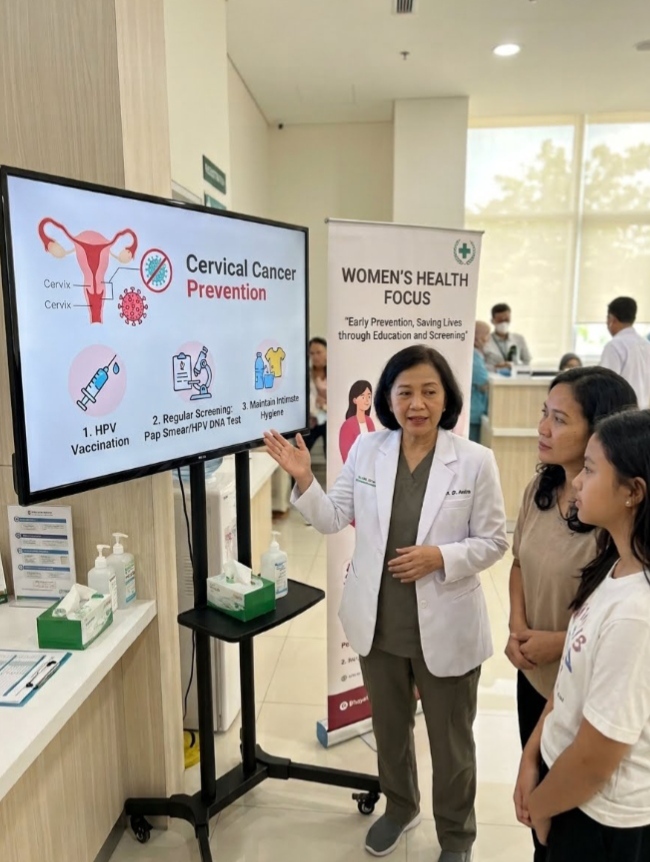
To break the cycle of transmission and progression, Dr. Amira outlines three foundational pillars of reproductive protection:
- Primary Prophylaxis via HPV Vaccination: This remains the most effective tool to stimulate specific antibody production against the virus. It is highly recommended for school-aged girls (9–14 years old) prior to sexual debut, as well as for adult women.
- Regular Screening (Early Detection): For women who are sexually active, routine objective testing is essential. Recommended protocols include the traditional Pap smear (exfoliative cytology) to identify microscopic alterations in cellular morphology, or molecular HPV DNA testing to track the genetic footprint of high-risk viral strains.
- Daily Hygiene Literacy: It is clinically vital to change undergarments at least twice a day or immediately after they become damp, prioritize breathable cotton fabrics, and strictly avoid menstrual pads or feminine hygiene washes containing synthetic fragrances.
“Cervical cancer is uniquely preventable if we actively prioritize daily intimate care and overcome the stigma associated with medical screenings. Waiting for severe symptoms to manifest is a dangerous gamble; early prevention is what truly saves lives,” Dr. Amira concluded.
About the Medical Expert:
Dr. Amira, M.D., Ph.D., Sp.O.G, Subsp. Onk, is a senior clinical specialist in gynecological oncology. She has dedicated her career to the advanced treatment of reproductive tumors, carcinomas, and internal pelvic disorders in women. She is highly active in clinical oncology research and remains a leading advocate for early cervical screening initiatives nationwide.
Reporter: Timothy.
Editor: bhayaksa.net Team.