
Oplus_131072
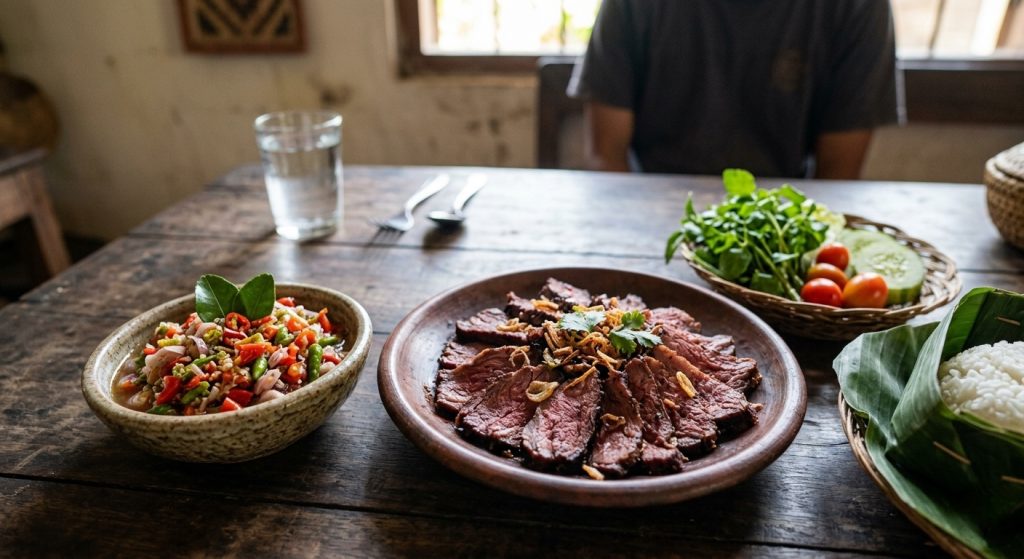
KUPANG, bhayaksa.net— Indonesian traditional cuisine is once again stealing the spotlight among food enthusiasts across the digital landscape. One particular regional dish currently skyrocketing in popularity and topping search engine trends is Kupang’s authentic Se’i Beef from East Nusa Tenggara (NTT). However, very few know that behind the mouthwatering tenderness of this smoked meat lies an ancient, meticulous cooking ritual deeply rooted in local wisdom.
So, what is the exact authentic process of making se’i straight from its homeland on Timor Island?
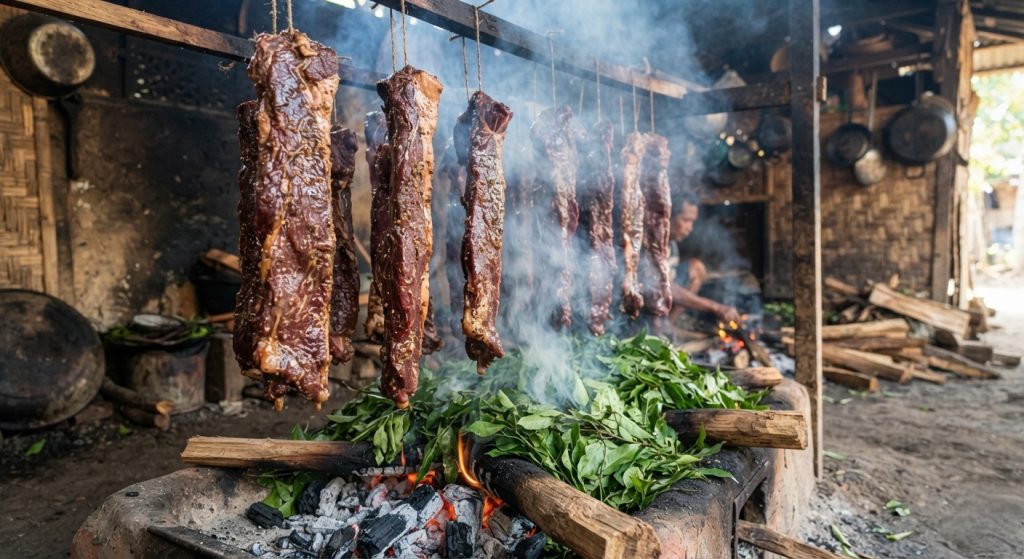
A prominent culinary expert and cultural activist from Mollo, Dicky Senda, clearly states that the essence of making genuine se’i is completely different from grilling or barbecuing like common satay. “Se’i is a traditional technique of cooking meat using the heat of indirect smoke. The meat must be placed far above the charcoal embers so it never touches the open flames directly,” Dicky explained during an exclusive interview on Monday, September 14, 2026.
Tools and Ingredients Needed
To replicate an authentic se’i smoked beef recipe, you need specific tools and raw ingredients. If you want to try making this dish at home, here is the complete checklist:
- Primary Tools: A traditional clay smoking oven or a modified iron smoking drum, kosambi wood for the charcoal base, a sharp knife, and a cutting board.
- Wrapping Material: Fresh kosambi leaves (Schleichera oleosa) to fully cover the meat during the smoking process.
Ingredient Measurements for 1 to 2 Servings
For those who want to try cooking this iconic East Nusa Tenggara dish in a small home-cooked batch, here are the exact measurements for 1–2 servings:
- Fresh Beef: 9 ounces / 250 grams (choose lean top round or tenderloin cuts with minimal fat).
- Garlic: 3 cloves (peeled and finely minced or crushed).
- Table Salt: 1 teaspoon.
- Ground Black or White Pepper: ½ teaspoon.
- Granulated Sugar: ¼ teaspoon (acting as a natural flavor enhancer to complement the meat’s savory notes).
Step-by-Step Cooking Process of Kupang’s Se’i Beef
The process of creating this legendary smoked meat consists of four main stages that require patience and precision to achieve the perfect tender texture:
1. The Traditional Slicing Stage (Lalolak)
Clean the beef thoroughly, removing any excess silver-skin or tough connective tissue. Slice the meat lengthwise, following the natural grain, to a thickness of about 1 inch (2–3 cm) and a length of 8 to 12 inches (20–30 cm). The locals in Kupang refer to this continuous, long-strip cutting technique as lalolak.
2. The Marination Stage
In a small bowl, mix the minced garlic, salt, pepper, and sugar. Thoroughly rub this seasoning blend over the entire surface of the long strips of beef. Massage the meat gently to ensure the flavors penetrate deep into the fibers. Place the seasoned beef in a sealed container and let it marinate in the refrigerator for at least 2 to 4 hours.
3. Preparing the Smoker Tungku
Ignite the kosambi wood in your smoker until it breaks down into glowing, red-hot charcoal embers with a steady heat. Ensure there are no active open flames, as only the radiant heat and heavy smoke are needed. Rinse the fresh kosambi leaves under running water and drain them well.
4. The Traditional Smoking Stage
Arrange or hang the marinated beef strips over the smoker, keeping a distance of about 12 inches (30 cm) above the hot embers. Immediately cover the meat completely with a thick layer of fresh kosambi leaves. These leaves function as a natural smoke filter, trapping the clean heat while infusing the meat with a distinct woody aroma and a stunning, natural deep-red color. Smoke the meat for approximately 45 to 60 minutes until the exterior turns beautifully dry and browned, while the interior remains perfectly juicy and tender.
The Essential Side Dish Recipe: Authentic Sambal Lu’at
The experience of enjoying Kupang’s Smoked Se’i Beef is never truly complete without Sambal Lu’at. This traditional, naturally fermented chili paste delivers a vibrant balance of sharp acidity and fiery heat, which perfectly cuts through the rich, smoky profile of the meat.
To prepare 1–2 servings of Sambal Lu’at at home, gather these ingredients:
- 3.5 ounces / 100 grams of local red bird’s eye chilies (cabai padi)
- 2 fresh limes (extract the juice, and finely shred the outer peel of one lime)
- 1 small handful of fresh lemon basil leaves (daun kemang)
- 2 stalks of wild scallions or green onions (daun siba, finely sliced)
- 1 teaspoon of table salt
Steps to Make Sambal Lu’at:
- Grinding: Wash the red bird’s eye chilies thoroughly, then coarsely grind them with the salt using a mortar and pestle. Keep it coarse so the texture of the chili remains visible.
- Mixing: Add the sliced daun siba, the finely shredded lime peel, and the fresh daun kemang into the mortar. Press down gently with the pestle just enough to release the aromatic oils and fragrances of the herbs.
- Acidifying: Pour the fresh lime juice into the mixture and stir well with a spoon until completely incorporated.
- Fermentation: Transfer the chili paste into a clean, airtight glass jar. Store it at room temperature for at least 2 to 3 days before serving. This resting period triggers a natural fermentation process that yields its signature, uniquely refreshing sour tang.
How to Serve Kupang’s Smoked Se’i Beef
Once the se’i beef is perfectly cooked, remove it from the smoker. Let the meat rest for about 5 minutes before slicing. Resting allows the natural juices to redistribute throughout the meat, preventing it from drying out.
Using a sharp chef’s knife, carve the smoked beef into paper-thin slices against the grain. Slicing it this way is crucial to ensure the meat melts in your mouth and feels incredibly tender rather than chewy.
Arrange the warm, thinly sliced se’i beef on a serving platter. It is best enjoyed alongside a side of stir-fried cassava leaves and a generous dollop of Sambal Lu’at. The combination of savory smoke and zesty chili heat is guaranteed to leave anyone craving more.
Pewarta: Susana Emilia Taebenu.
Editor: bhayaksa.net Team